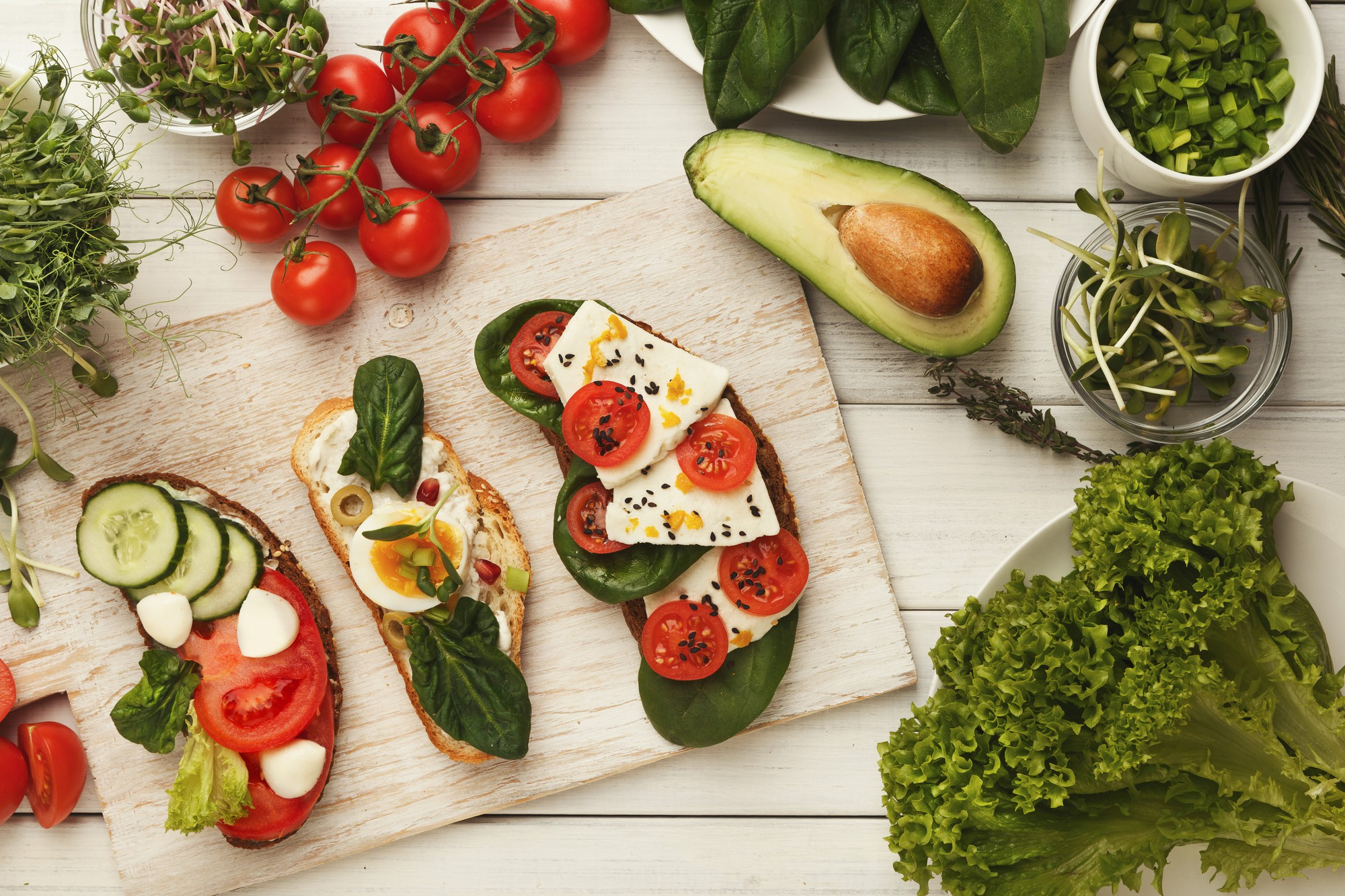
Healthy eating is not a single menu. It is a pattern of varied foods, regular nourishment, enjoyable flavour and routines that can bend when life changes.
01
Start with structure
Build a balanced plate
A balanced meal usually brings together several roles: vegetables or fruit for colour and variety, a carbohydrate-rich food for energy, a protein source for satisfaction, and a little unsaturated fat for flavour and texture. Soup with bread and beans can fit this pattern just as easily as a divided plate.
Use the framework as a prompt rather than a scorecard. Breakfast may look different from dinner, and balance can emerge across the day. Appetite, culture, budget and convenience all belong in the decision.
Fill meals with at least two colours when practical
Rotate grains, potatoes, breads and other staples
Include beans, lentils, eggs, fish, dairy foods, tofu, nuts or seeds
02
Variety over perfection
Think across the week
One meal does not need to contain every food group. Look for variety across several days: different vegetables, more than one fruit, changing protein sources and a mix of wholegrain and familiar refined staples.
A weekly view reduces pressure. If Tuesday was beige and hurried, Wednesday can simply include something crisp and colourful. No compensation or judgement is required.
Keep frozen and tinned produce for flexible options
Choose two dependable meals and one new idea
Notice what gets eaten, not only what gets purchased
03
Practical planning
Make the useful choice easier
Healthy routines often depend more on the environment than on motivation. Put fruit where it can be seen, keep a water bottle near your workspace, and place quick meal components at eye level.
Prepare selectively. Washed greens, cooked grains, roasted vegetables or a versatile dressing can shorten several later meals without locking you into a rigid plan.
Write a short meal map before shopping
Plan one leftovers night
Store ready-to-use components in clear containers
04
Enjoyment matters
Use flavour and satisfaction
Meals are easier to repeat when they taste good. Herbs, citrus, toasted spices, crunchy toppings and contrasting temperatures bring interest without requiring lengthy recipes.
Satisfaction also comes from enough food and from eating with reasonable attention. Pause when you can, notice texture and hunger, then decide whether more would be welcome.
Keep two favourite sauces or dressings in rotation
Add one crisp, creamy or toasted texture
Leave space for social meals and foods chosen purely for pleasure